Disagreement is part of life – whether in the workplace, within teams, between colleagues, or in professional relationships. Yet conflict itself is not always the problem. More often, the challenge lies in how we approach it.
When tensions rise, conversations can quickly become focused on blame, frustration, or proving a point. But successful resolution rarely comes from one person “winning”. Instead, sustainable outcomes are usually built through effective negotiation, understanding, and collaboration.
So, what does healthy conflict resolution actually look like?
Negotiation Is Not the Same as Compromise
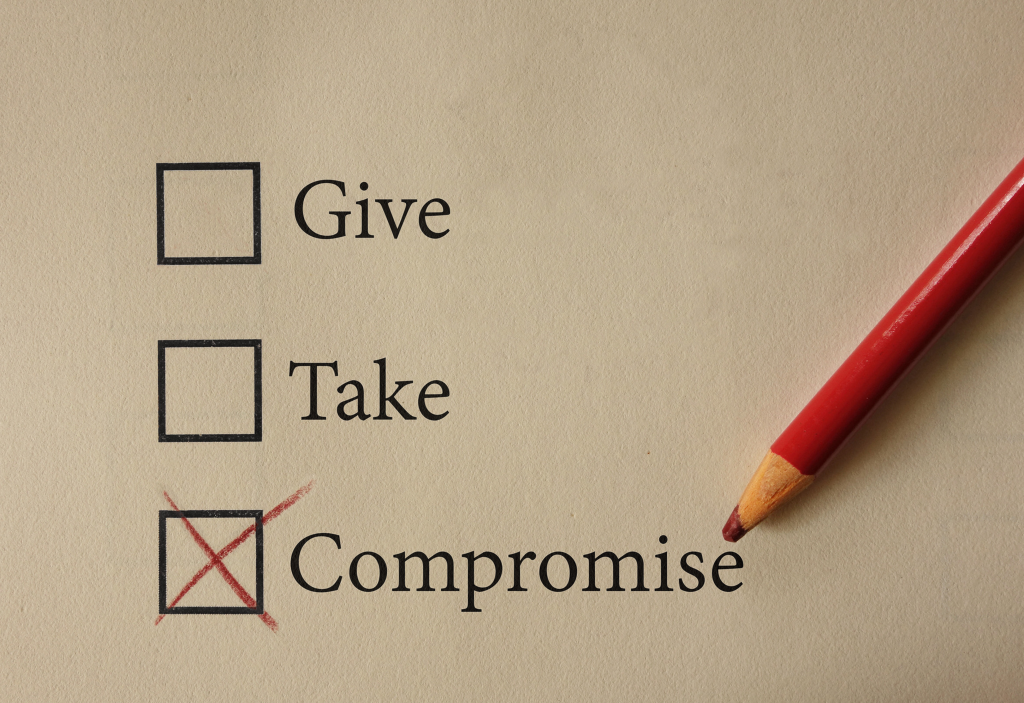
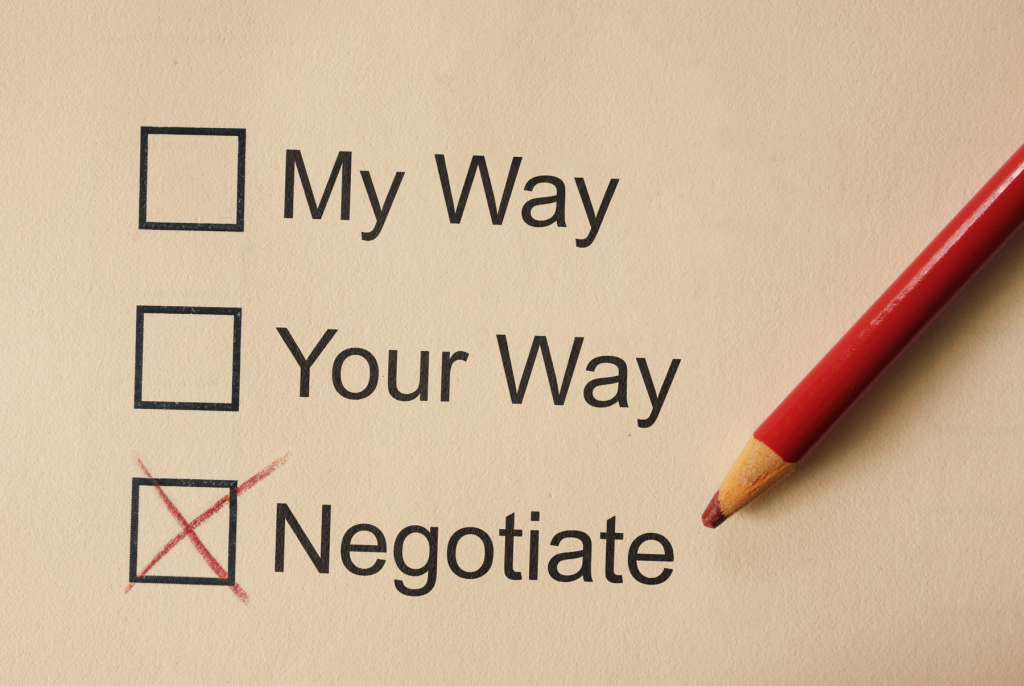
The terms negotiation and compromise are often used interchangeably, but they are quite different.
Compromise can sometimes mean each side gives something up to reach an agreement. While that may solve an immediate issue, it can occasionally leave people feeling dissatisfied or unheard.
Negotiation takes a broader approach.
Effective negotiation focuses on understanding what matters most to everyone involved and working towards an outcome that meets underlying needs wherever possible. Rather than simply “meeting in the middle”, negotiation encourages a more constructive conversation about priorities, concerns, and shared goals.
When people feel listened to, solutions are often stronger and more sustainable.
Finding Common Ground During Disagreement
In moments of conflict, it is easy to focus entirely on differences.
One person wants one outcome, another disagrees, and positions become increasingly fixed.
However, common ground is often closer than it first appears.
In workplace disputes, for example, both parties may ultimately want the same thing: a better working relationship, improved communication, clarity, or a positive outcome for the wider team.
Identifying shared interests can help move conversations away from confrontation and towards problem solving.
Sometimes, a simple question can change the direction of a difficult discussion:
“What are we both hoping to achieve here?”
This shift in perspective can create opportunities for progress where there previously seemed to be none.
Reframing Positions Into Interests
A key part of successful conflict resolution involves understanding the difference between a position and an interest.
A position is what someone says they want.
An interest is the reason behind it.
For example, someone requesting flexible working arrangements may appear focused solely on schedule changes. But underneath that position may be concerns about wellbeing, family responsibilities, productivity, or trust.
When conversations focus only on stated positions, people often become stuck.
By exploring underlying interests, new options and solutions frequently emerge.
This approach helps create more meaningful conversations – and often reduces defensiveness.
Why Neutrality Matters in Mediation
Many people assume mediation involves someone deciding who is right and who is wrong.
In reality, mediation works very differently.
A mediator acts as a neutral third party, helping individuals communicate more effectively, understand each other’s perspectives, and explore practical ways forward.
Neutrality is essential because trust matters.
When people believe the process is fair and balanced, they are more likely to engage openly and honestly.
A neutral environment helps reduce tension and creates the conditions needed for productive dialogue – particularly when emotions are running high.
Techniques for De-escalating Tension
Conflict often escalates when emotions take over.
The good news is that there are practical ways to reduce tension and create space for more constructive conversations.
Some helpful approaches include:
- Listening without interrupting
- Staying calm, even when emotions rise
- Acknowledging concerns, even when there is disagreement
- Avoiding blame-focused language
- Focusing on understanding before responding
De-escalation does not mean avoiding difficult conversations. It means approaching them in a way that makes resolution more likely.
Encouraging Collaborative Problem Solving
One of the most powerful shifts in conflict management is moving away from an “us versus them” mindset.
When people begin working with one another rather than against one another, solutions become easier to identify.
Collaborative problem solving focuses on shared responsibility and practical next steps.
Rather than asking:
“Who is at fault?”
It can be more productive to ask:
“How do we move forward?”
This change in language may seem small, but it can have a significant impact on outcomes.
Building Sustainable Resolution

Resolving conflict is about more than ending an argument.
True resolution addresses the underlying issue and creates a pathway forward that is realistic, constructive, and sustainable.
Lasting outcomes often involve:
- Honest communication
- Understanding different perspectives
- Identifying shared goals
- Agreeing clear next steps
- Building trust and accountability
Conflict does not always have to damage relationships or workplace culture.
Handled well, it can create greater understanding, stronger communication, and more resilient professional relationships.
The key is not avoiding difficult conversations – it is learning how to approach them differently.